From engine heat to chilled water, in four stages.
chilled water from engine heat, with sub-zero temperatures possible on an ammonia-water system.
Source: US DOE CHP fact sheet, absorption chillers · Pinion specification{{ s.t }}
{{ s.b }}
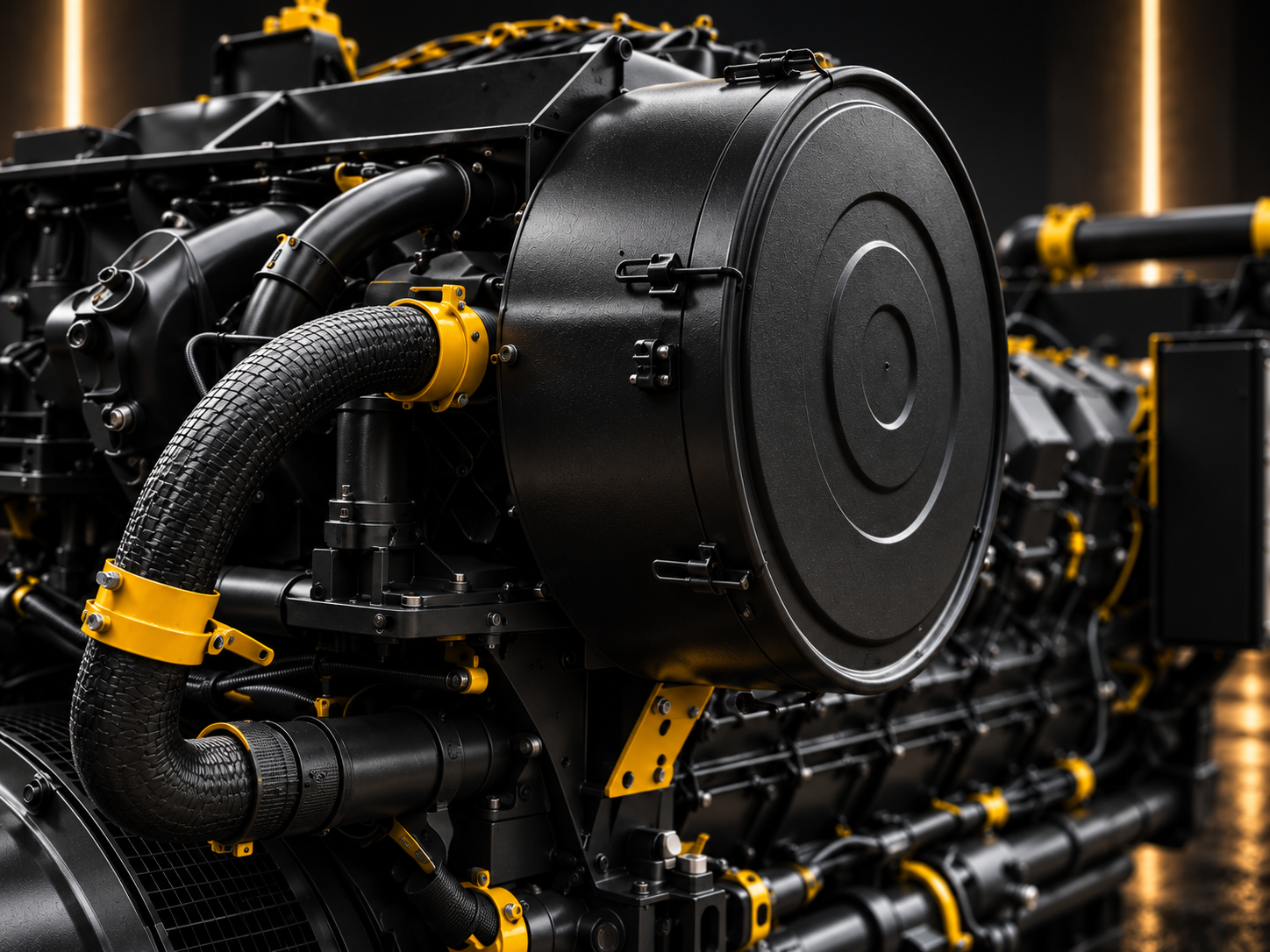
One gas supply. Electricity, heat and cooling.
A standard CHP unit already turns around 40% of its fuel into electricity and recovers 51% as heat. Add an absorption chiller and whatever heat your site can't use in summer becomes chilled water instead of being dumped. The plant earns its keep all year, not just in the heating season.
total system efficiency on sites that use power, heat and cooling together.
Source: Pinion modelling · GOV.UK CHP guidanceIllustrative split. The heat-to-cooling balance is set by your site's load.
Industrial cooling for sites that can't afford temperature drift.
of extra electrical load to drive the chilling cycle beyond pumps. Heat does the work, not a compressor.
Source: US DOE CHP fact sheet, absorption chillers{{ u.t }}
{{ u.b }}
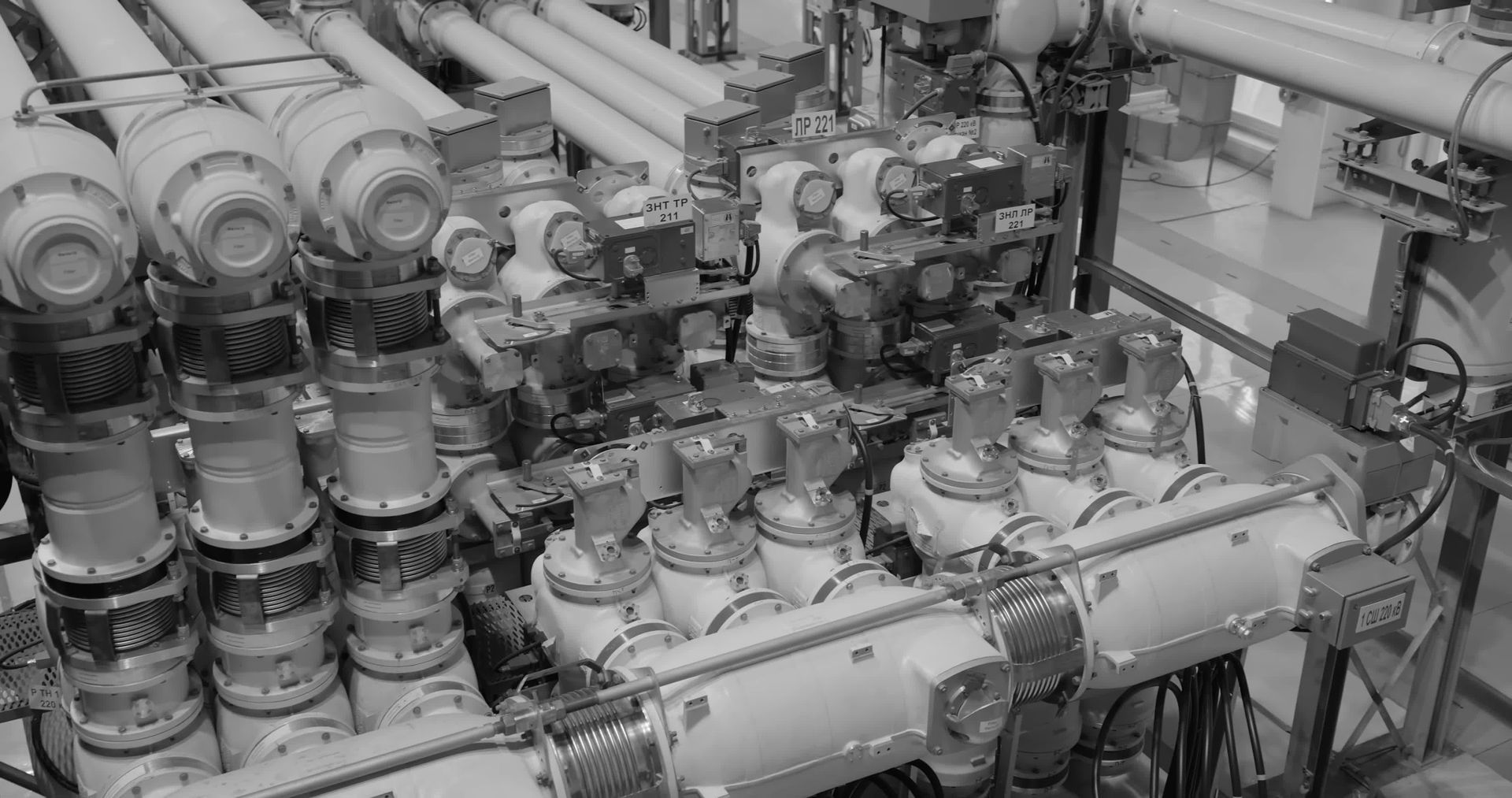
Our engineers design absorption chilling into existing factories and new builds, sized around the cooling your process actually needs.
We start the same way as every project: a site survey that meters your power, heat and cooling loads together. If chilling doesn't improve your economics, the proposal will say so. See the X-Series range and the carbon case.